Living with Bengals: Tips for Thriving with These High-Energy Feline Companions
Welcome to the fascinating world of Bengal cats! Known for their striking appearance and energetic personalities, Bengals are a unique breed that combines the beauty of a wild leopard with the charm of a domestic cat. Their coat, which features a beautiful rosette pattern, sets them apart from other felines. Bengals are descendants of Asian leopard cats, and their wild heritage makes them particularly active and curious. If you’re considering adopting a Bengal or already have one as a companion, this guide will provide you with essential tips to ensure your high-energy feline thrives.
Meeting Their Exercise Needs
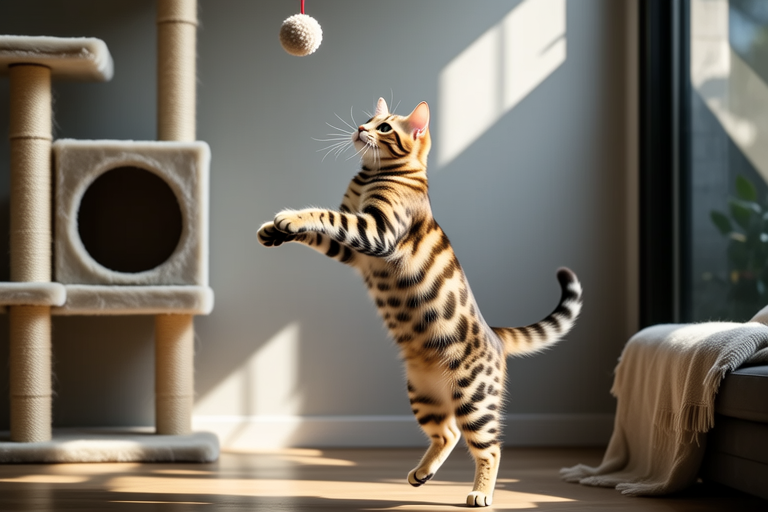
Bengals are known for their boundless energy, so it’s crucial to provide them with ample opportunities for physical activity. Unlike more sedentary breeds, Bengals require regular exercise to maintain their health and well-being. Interactive play sessions are a great way to engage with your Bengal and help burn off excess energy. Consider investing in toys that encourage hunting instincts, such as feather wands or laser pointers. Puzzle feeders can also be beneficial, as they stimulate both mental and physical engagement.
Creating an environment that allows for exploration and climbing is another effective strategy. Cats enjoy vertical spaces, and providing tall scratching posts, shelves, or even a cat tree can satisfy their need for height and adventure. Additionally, Bengals love water, so consider setting up a small water fountain or a shallow dish where they can splash and play.
Dietary Requirements
Proper nutrition is key to keeping your Bengal healthy and happy. Bengals are obligate carnivores, meaning their diet should primarily consist of animal-based proteins. High-quality commercial cat foods that meet AAFCO standards are usually sufficient, but you may want to consult with a veterinarian to determine if your Bengal has any specific dietary needs. Some Bengals benefit from a grain-free diet, especially if they have sensitivities or allergies.
It’s important to monitor your Bengal’s weight closely, as they can become overweight if not provided with appropriate portions. Obesity can lead to various health issues, including diabetes and joint problems. Regular weigh-ins and adjusting food portions accordingly can prevent these risks. Additionally, always provide fresh, clean water to ensure proper hydration.
Grooming
Bengals have short, sleek coats that generally require minimal grooming. However, their dense fur can shed, and occasional brushing helps remove loose hair and prevents matting. Grooming also provides an opportunity for bonding with your Bengal. Use a soft-bristled brush or a grooming mitt to gently stroke their coat, paying special attention to areas prone to tangles, such as behind the ears and around the tail.
While their coats are easy to care for, Bengals are notorious for their shedding, especially during seasonal changes. Invest in a vacuum cleaner with a pet-specific attachment to keep your home clean and free of stray hairs. Regular bathing is usually unnecessary, but if your Bengal gets into something messy or smelly, a gentle bath with a cat-safe shampoo can help.
Social Interaction
Bengals are highly social creatures that thrive on interaction with their human companions. They enjoy being involved in family activities and often form strong bonds with their owners. Spend quality time with your Bengal by playing, cuddling, and talking to them. Bengals are intelligent and responsive, making them excellent candidates for clicker training and positive reinforcement techniques.
It’s important to note that while Bengals are generally friendly, they can sometimes be wary of strangers. Socializing your Bengal from a young age can help them feel comfortable around different people and situations. Encourage visitors to approach your Bengal calmly and slowly, allowing them to come to you at their own pace.
Training Techniques Suitable for Bengals
Training Bengals can be a rewarding experience, as they are highly intelligent and eager to learn. Positive reinforcement techniques, such as clicker training, are particularly effective. Start by teaching basic commands like ‘sit’ or ‘come,’ using treats and praise as rewards. Bengals respond well to consistency and repetition, so practice regularly to reinforce desired behaviors.
Clicker training involves using a small handheld device that emits a clicking sound to mark the moment your Bengal performs the desired action. Pair the click with a treat to strengthen the association between the behavior and the reward. This method encourages Bengals to repeat the behavior in hopes of earning more clicks and treats. Patience and consistency are key when training Bengals, as they can be easily distracted by their surroundings.
Common Challenges and How to Overcome Them
Despite their many positive traits, owning a Bengal comes with its share of challenges. One common issue is their tendency to scratch furniture and other household items. Providing appropriate scratching surfaces, such as sturdy scratching posts or pads, can redirect this behavior. Spraying the surfaces with catnip or a synthetic pheromone spray can also entice your Bengal to use the designated areas.
Another challenge is managing their vocalization. Bengals are known for being talkative, and some owners find their vocalizations overwhelming. While it’s important to address any sudden changes in vocal patterns, as they could indicate pain or discomfort, it’s also beneficial to teach your Bengal alternative ways to communicate. Providing interactive toys and engaging in regular play sessions can help reduce excessive vocalization.
Enriching the Environment
To keep Bengals mentally stimulated and happy, it’s essential to create an enriching environment. Bengals are naturally curious and enjoy exploring new environments. Rotate toys and puzzle feeders regularly to keep things interesting. Consider setting up a cat-proofed room or area where your Bengal can safely explore without the risk of injury.
Environmental enrichment can also include introducing new scents, sounds, and textures. Bengals are particularly drawn to natural elements, so consider placing bird feeders near windows or creating a designated outdoor space where they can observe wildlife. Providing access to safe outdoor enclosures or harness training for supervised walks can also enhance their overall well-being.
In conclusion, living with a Bengal cat can be a delightful and enriching experience. By understanding their unique needs and providing appropriate care, you can ensure your Bengal lives a happy and fulfilling life. Remember to be patient, consistent, and attentive to your Bengal’s individual preferences and quirks. With the right balance of love, attention, and stimulation, your Bengal will be a loyal and joyful companion for years to come.
