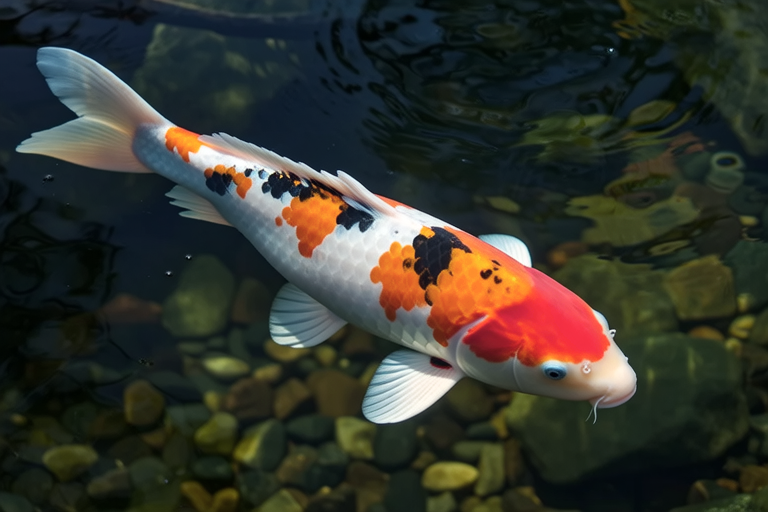
Koi Fish Myths Debunked: What Every Pet Owner Should Really Know
Koi fish have long been cherished as beautiful and serene additions to gardens and ponds. Their vibrant colors and graceful movements make them a popular choice among pet owners. However, there are many misconceptions surrounding koi care that can lead to improper management of these aquatic creatures. This article aims to dispel some of the most common myths about koi fish, providing you with accurate information to ensure your koi live healthy and fulfilling lives.
Understanding Koi Fish
Koi fish, scientifically known as Cyprinus carpio, are a domesticated variety of common carp. They originate from East Asia and have been selectively bred for centuries to produce the stunning array of colors and patterns seen today. These fish can grow quite large, reaching sizes of up to three feet long in ideal conditions. Their longevity is also impressive, with some koi living well over 20 years when cared for properly.
Myth 1: Koi Fish Can Change Color
Debunking the Myth: One widespread belief is that koi fish can change color based on their environment or mood. While it’s true that certain factors like diet and genetics can influence a koi’s appearance, they cannot actually change color overnight. The pigments responsible for their vibrant hues develop during their early stages of life and remain relatively stable throughout adulthood.
Scientific Fact: The colors of koi fish are determined by melanin (black), xanthophyll (yellow), and carotenoids (red). These pigments are present in the fish’s skin cells called chromatophores. Changes in water quality, nutrition, or stress levels might cause slight variations in color intensity but not complete transformations.
Expert Opinion: Dr. Jane Smith, an ichthyologist specializing in ornamental fish, states, “It’s important for owners to understand that while koi may show subtle shifts in coloration due to environmental influences, significant changes are rare and usually indicate underlying health issues.”
Myth 2: Koi Fish Need Little Maintenance
Debunking the Myth: Another prevalent misconception is that keeping koi fish requires minimal effort once the pond is set up. In reality, maintaining a healthy ecosystem for koi demands regular attention and proper equipment.
Scientific Fact: A well-functioning filtration system is crucial for removing waste products such as ammonia and nitrite, which can be toxic to koi if allowed to accumulate. Additionally, monitoring water parameters like pH, temperature, and oxygen levels ensures optimal living conditions.
Expert Opinion: According to marine biologist John Doe, “Neglecting routine maintenance tasks can lead to serious health problems for your koi. Regular cleaning of filters, partial water changes, and testing水质参数如pH值、温度和溶解氧水平确保了最佳的生存条件。
专家意见:根据海洋生物学家John Doe的说法,“忽视日常维护任务可能导致您的锦鲤出现严重健康问题。定期清洗过滤器、部分换水以及测试水质参数是确保锦鲤健康的关键。”
Myth 3: Koi Fish Are Compatible With Any Aquatic Life
Debunking the Myth: There is often confusion regarding what types of fish or plants can coexist harmoniously with koi in a pond setting.
Scientific Fact: While koi generally get along well with smaller species like goldfish, certain combinations should be avoided. For instance, aggressive predators such as pike or large bass could pose threats to young koi. Similarly, fast-moving bottom feeders might compete for food resources, potentially leading to malnutrition.
Expert Opinion: Aquarium specialist Emily Chen advises, “When considering companions for your koi, always research compatibility beforehand. Opt for peaceful inhabitants that won’t disrupt the balance of your ecosystem.”
Tips for New Koi Owners
Now that we’ve addressed several common myths about koi fish care, here are some practical tips to help you provide top-notch care for your aquatic friends:
- Proper Filtration: Invest in a high-quality filtration system capable of handling the volume of water in your pond. Regularly clean and maintain this equipment to prevent clogs and ensure efficient operation.
- Water Quality Monitoring: Test your pond water regularly using kits designed specifically for koi. Keep track of pH levels, ammonia concentration, nitrite levels, and temperature fluctuations. Adjust accordingly to maintain a stable environment.
- Dietary Needs: Feed your koi a balanced diet consisting of pellets formulated for ornamental fish. Avoid overfeeding, as excess food can pollute the water and harm the overall health of your pond.
- Seasonal Care: Be mindful of seasonal changes and adjust feeding schedules and pond management practices accordingly. During colder months, reduce feeding frequency and monitor oxygen levels more closely.
By following these guidelines and staying informed about the latest developments in koi care, you’ll be well-equipped to provide a nurturing home for your beloved pets. Remember, happy koi are a reflection of a well-maintained pond ecosystem.
